


During a vibrant Cultural Food Presentation at Mewar International University, senior academics emphasized the profound role of traditional cuisine in sustaining national identity and unity, calling on students and Nigerians at large to actively safeguard their cultural legacy.
Representing the Vice-Chancellor, Deputy Vice-Chancellor Professor Olabode Agunbiade addressed attendees, stressing that “food is a very important part of culture.” He reflected on the array of dishes presented by students from various ethnic groups, noting, “The food items displayed here are symbols of Nigerian culture.”

Agunbiade highlighted how the gathering mirrored national cohesion, stating, “The presence of diverse ethnic groups here, as across the nation, proves that one nation exists despite our differences.” He urged cultural steadfastness, warning, “Anyone who loses his culture loses everything. We encourage everyone to hold on to what is theirs so that foreign culture does not take away what belongs to us.”
Echoing these sentiments, Professor Kumar, Dean and Director of the Open and Distance Learning Postgraduate School, praised the event as “impressive and educative,” noting that students not only displayed food but also wore traditional attire at their stalls. He remarked, “Food is not just important, it is a necessity of life. What the students did today shows how specialized Nigerians are in preparing different types of meals, just as other communities do around the world.”

Professor Kumar also appealed for inclusive culinary education, advising, “Parents should not teach only female children how to cook traditional foods. Male children should also be taught, and this should be taken seriously.”
“If you visit world-class restaurants, you will find that both males and females cook different foods from cultures around the world,” he added.
Students shared their experiences with equal passion. Muhammad Abubakar Sa’ad, a 200-level Computer Science student representing the Fulani tribe, observed, “At MIU, students from different Nigerian tribes live peacefully and respect one another.”

Rejoice Akogun, a 400-level Public Administration student from the Igala tribe, highlighted the intergenerational value of the event: “We prepared our cultural foods openly so that the younger ones can see, learn and understand our heritage.”
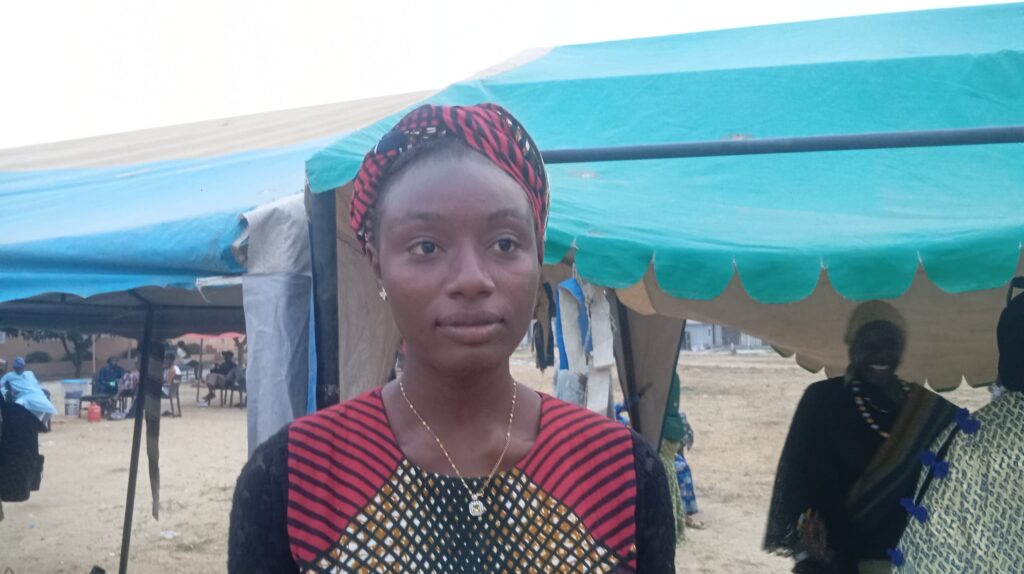
The food presentation formed part of MIU’s ongoing Cultural Week, designed to foster appreciation for Nigeria’s diverse traditions while reinforcing the role of youth as cultural custodians in an increasingly globalized world.









Leave a comment