News
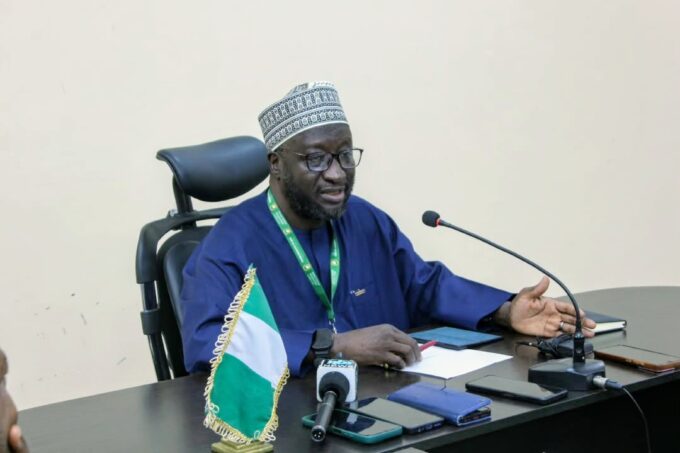
FULAFIA VC RAISES ALARM OVER AI-GENERATED FAKE NEWS, SAYS TREND GOING HAYWIRE
By Muhammad Surajo The Vice-Chancellor of Federal University of Lafia, Prof Muhammad Isa Kida, has decried as alarming the proliferation of fake news,...
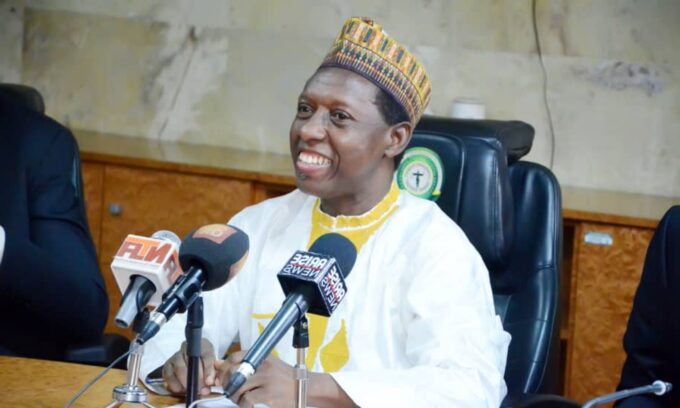
NILDS AfCFTA Division Lists One-Year Achievements, Says Capacity of 400 Stakeholders Enhanced
By Waziri Isa Gwantu The Division of AfCFTA Law and Policy Programme (DALP), Office of the Director-General, National Institute for Legislative and Democratic...
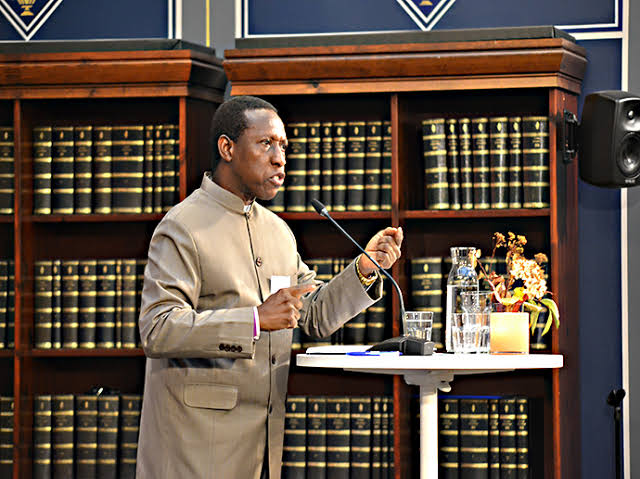
ELECTION SECURITY, CAMPAIGNS FINANCING AND THE RESPONSIBILITY OF SECURITY AND ANTI-CORRUPTION AGENCIES IN NIGERIA
By Prof. Muhammed Tawfiq Ladan, PhD Executive SummaryThis consolidated statutory brief integrates all previous frameworks regarding legal mandates, financial tracking, judicial trends, and...
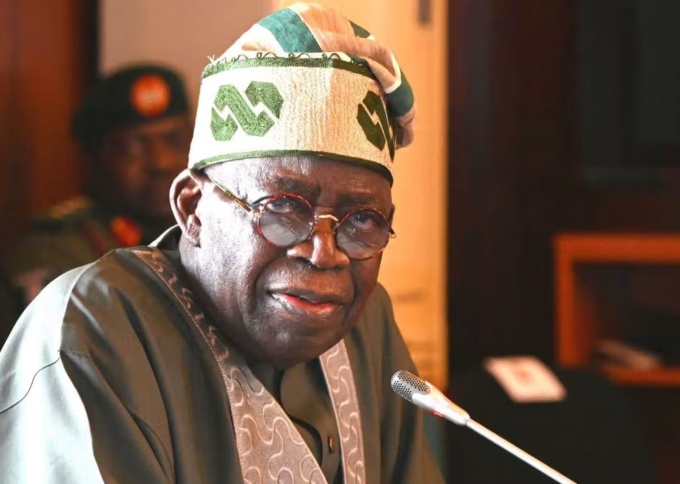
Centre for Democratic Development to Present Book on Tinubu Administration October 15 in Kaduna
By Waziri Isa Gwantu The Centre for Democratic Development Research and Training, CEDDERT, will on Thursday, October 15, 2026, present a new book...
Nigeria Will Survive Current Trials, God Remembers Us Like Noah – Prophet Tayo Popoola’s Independence Message to Nigerians
By FCT News Gazette A prominent National Prophet, Professor Tayo Popoola, has declared that Nigeria will survive its current trials, assuring that God...
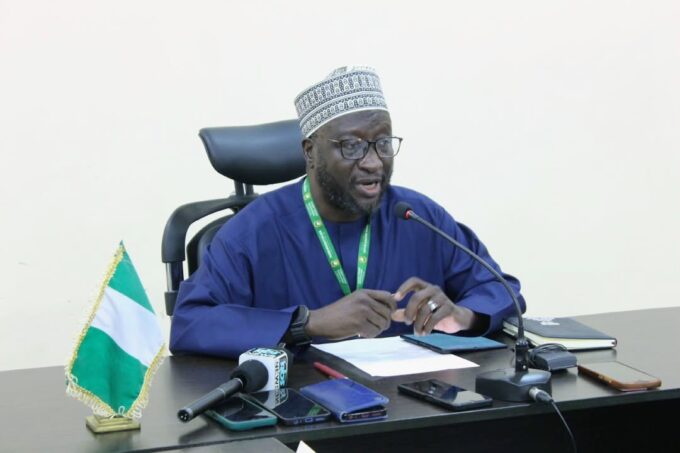
Soaring Rents Pushing FULafia Students Into Danger, VC Raises Alarm, Urges Govt, Landlords, Parents To Act
By Aisha Muhammad Ibrahim The Vice-Chancellor of the Federal University of Lafia (FULafia), Professor Mohammed Isa Kida, has raised the alarm over the...

WHEN MONEY BECOMESMORE IMPORTANT THAN LIFE
A Reflection on Our Values Professor Peter Olufemi Adeniyi There is nothing wrong with money. Every family needs money for food, shelter, education, healthcare and the ordinary necessities of life. Every responsible person should aspire to work, earn a decent living, provide for the family and, where possible, create something for the future. Prosperity itself is not the problem. The troubling question is what happens to a society when the pursuit of money begins to take precedence over honesty, human dignity, love of neighbour and even human life itself. This question increasingly troubles me when I reflect on Nigeria today. There was a time when one entered a shop, bought bread, a bottle of soft drink, packaged water, medicine or some other everyday product without first wondering whether it was genuine. Today, concerns about adulterated, substandard and counterfeit products have become a disturbing part of everyday life. Fake medicines are particularly frightening because the person buying them may already be sick and vulnerable. A medicine expected to save life can become an additional danger. The same concern extends to food, drinks and many other products. NAFDAC continues to issue public alerts concerning falsified, counterfeit, substandard and unregistered products. The problem, therefore, is neither imaginary nor one that society can afford to dismiss. But counterfeit products are only symptoms of something deeper. We must ask ourselves: What has happened to our values? How did we arrive at a point where another person’s health, livelihood or even life can sometimes be sacrificed for profit? When Wealth Becomes the Measure of Success Part of the problem, I believe, is the increasing tendency to measure success almost entirely in monetary terms. We celebrate the mansion, the expensive car, the lavish party and the conspicuous display of wealth. Too often, we do not ask the more important questions: How was this wealth created? What value did the person add to society? Whose lives were improved in the process? When a young person sees somebody suddenly become enormously wealthy and watches society honour that individual without questioning the source of the wealth, a dangerous lesson may be learned: It is not how you make money that matters; it is simply whether you have it. This attitude can gradually corrupt an entire society. Money then ceases to be a means of living and becomes a measure of human worth. A person who has little may begin to feel insignificant, regardless of his honesty or contribution to society. A teacher educating generations of children, a farmer producing food, a nurse caring for patients or a craftsman earning an honest living may receive less admiration than somebody displaying unexplained wealth. That is an inversion of values. We must also recognise the economic environment in which this is happening. Millions of Nigerians face serious economic hardship. The National Bureau of Statistics’ 2022 Multidimensional Poverty Index found that 133 million Nigerians—about 63 per cent of the population at the time—were multidimensionally poor. Poverty, unemployment and economic insecurity can create desperation. But poverty cannot become our explanation for everything. Many Nigerians of modest means remain remarkably honest, while some people involved in corruption, fraud and exploitation are already wealthy. Economic hardship may create temptation; it does not remove personal responsibility. When Society Becomes Accustomed to Wrongdoing ...
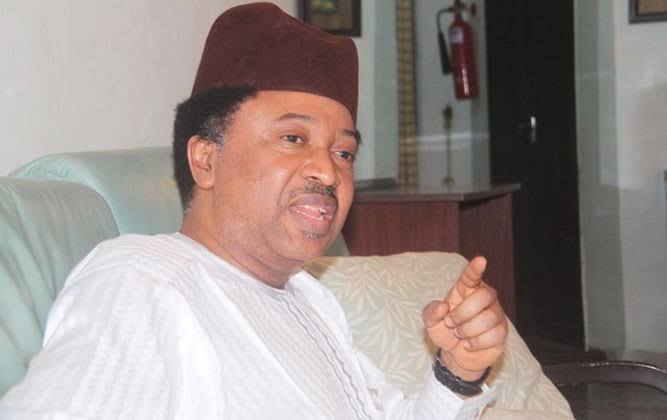
Shehu Sani: El-Rufai Finally Paying For His Reckless, Irresponsible Rule
Former Kaduna Central Senator, Shehu Sani, has said former Kaduna State governor, Nasir El-Rufai, is “paying the price” for what he described as...