

By Samson Yaki Bako
Women in Digital Empowerment Network (WIDEN) AI for Sustainable Development Project has called for urgent national action to scale digital empowerment for Nigerian women.
The call was made today during the stakeholders dissemination event at the National Open University of Nigeria (NOUN), Jabi, Abuja.
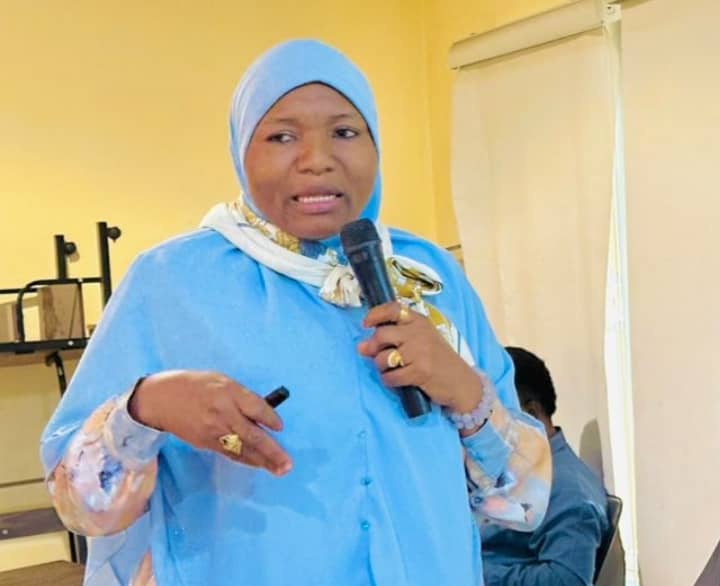
Speaking at the event, the Principal Investigator, Nigeria, Professor Ganiyat Adejoke Adesina-Uthman, said findings from the project revealed a strong appetite among young Nigerian women to participate in the digital economy but highlighted persistent structural barriers limiting their progress.
According to her, nearly 60 percent of respondents surveyed across the country were under the age of 24, while more than 71 percent indicated a strong likelihood of pursuing careers in technology.

“However, over half of the respondents identified themselves as beginners in digital skills, pointing to a significant knowledge gap”, she revealed
According to Professor Adesina-Uthman, the research also found that 13.7 percent of respondents live with disabilities, underscoring the need for inclusive digital design, while family responsibilities and limited access to opportunities were identified as major constraints facing women in technology.

“Today, we are not just closing a chapter; we are presenting a blueprint for the future of inclusive digital empowerment in Nigeria,” Adesina-Uthman said, describing the project data as a “national asset” capable of shaping policy direction.
The project, funded by the British Council, brought together National Open University of Nigeria, Nasarawa State University, Keffi (NSUK), and Brunel University London in a cross-continental collaboration aimed at equipping women with artificial intelligence and digital innovation skills.

One of the highlights of the event was the recognition of Nura-X, described as the world’s first Muslim female robot, developed in Keffi by Co-Investigator Prof. Rashidah Funke Olanrewaju.
The robot, recently inducted into the Nigeria Computer Society, was presented as a symbol of culturally rooted technological innovation emerging from Nigeria.
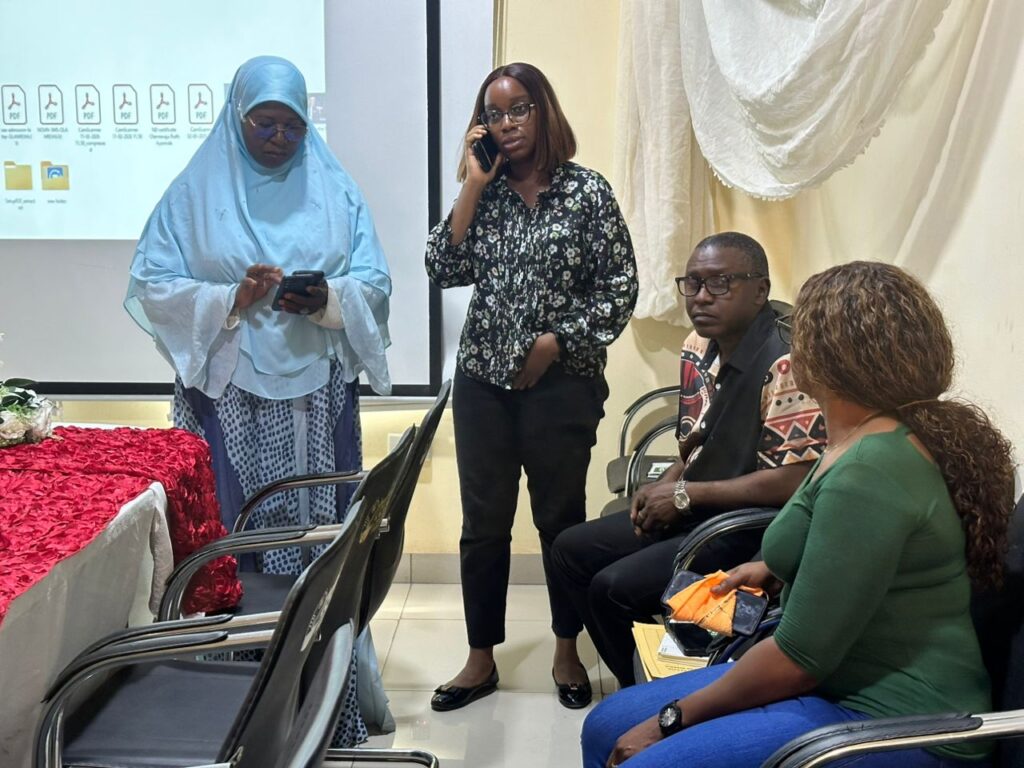
Adesina-Uthman called on the National Universities Commission (NUC) and the Federal Ministry of Education to integrate the WIDEN mentorship-driven digital literacy model into university and polytechnic curricula nationwide.
She also urged policymakers to adopt a national women-in-tech policy framework that would promote flexible work models and accessibility standards.
In his remarks, the Vice Chancellor of NOUN, Professor Uduma Oji Uduma, reaffirmed the university’s commitment to expanding access to digital education, describing the WIDEN initiative as aligned with the institution’s mandate of openness and opportunity.
“Our institution was built on the principle that education should have no barriers. The WIDEN project provides a proven model that can be scaled nationally,” he said, pledging the university’s readiness to partner with regulators to translate research findings into policy.

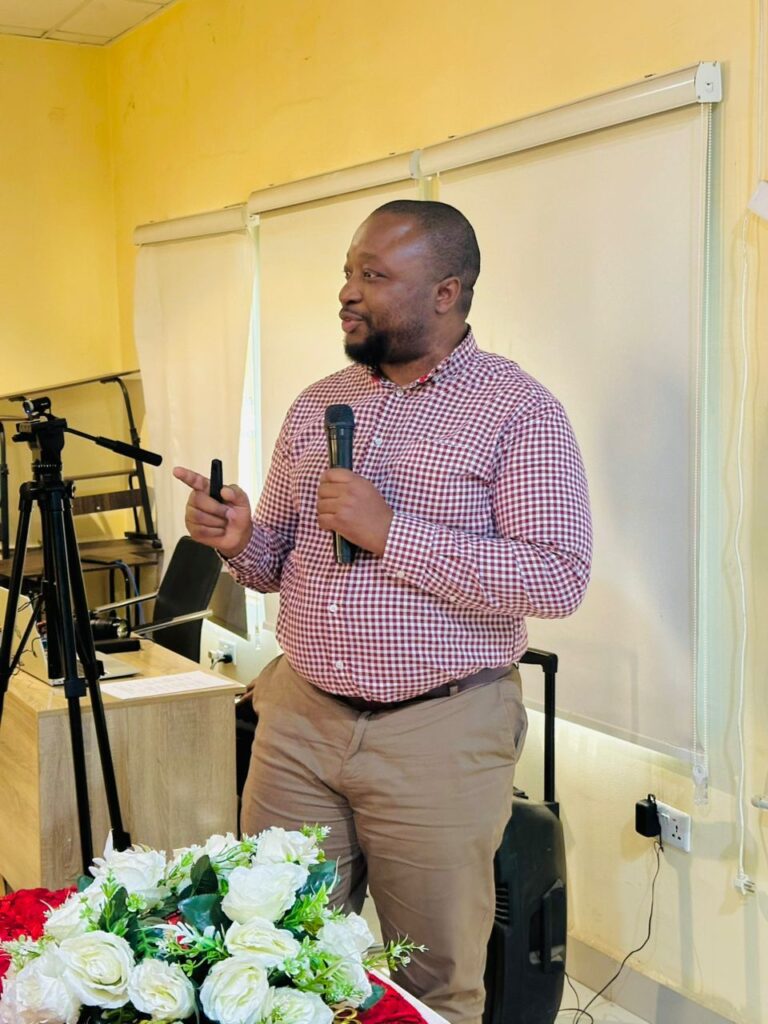
Also speaking at the event, Prof. David Botchie, Principal Investigator, United Kingdom, commended the collaborative effort between Nigerian and UK institutions, noting that the project demonstrates the global relevance of inclusive AI development.
In her remarks, Director of Universities Education Department. Federal Ministry of Education, Mrs Rakiya Iliyasu, represented by Amina Yazid Ibrahim stressed that the digital empowerment network for Nigerian women is already showing real impact. When women gain digital tools, they boost household income, community resilience, and national growth, so scaling these networks with inclusive design, reliable infrastructure, and sustained mentorship is key.

She said to keep the momentum, we need more public‑private partnerships, local content in native languages, and safe learning spaces that address gender‑specific barriers.
“I am so grateful for the Women in Digital Empowerment Network program and everyone who made it happen. It was inspiring to see women from different backgrounds come together, share ideas, and learn practical digital skills that can transform our lives and communities.
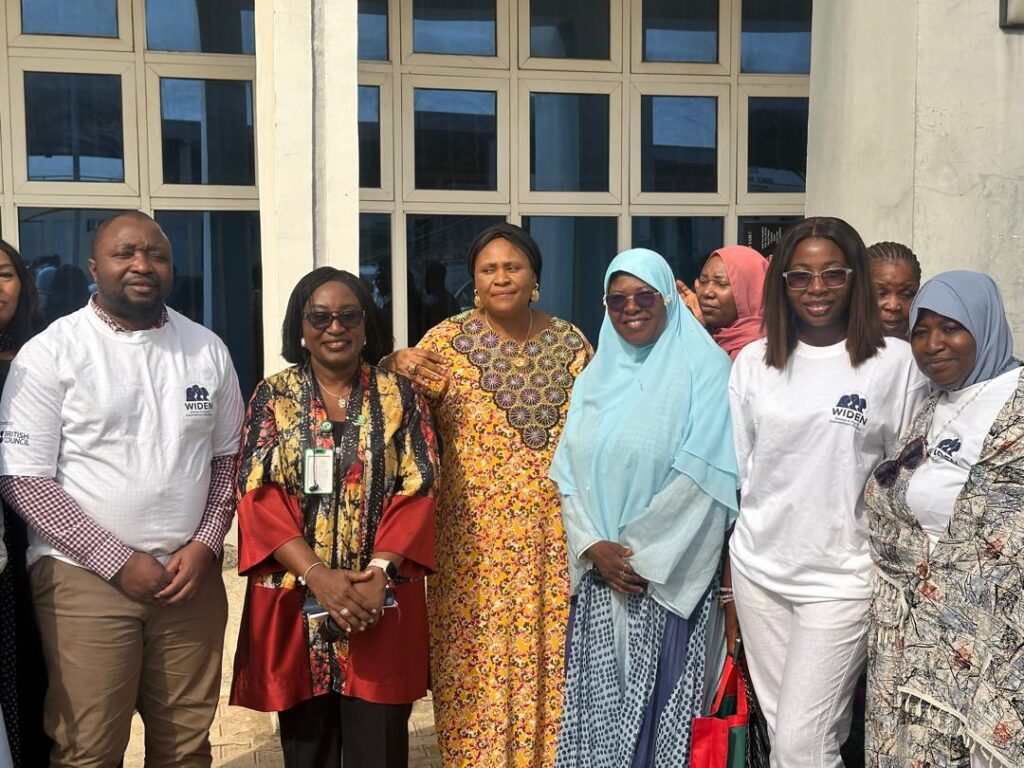
Mrs Iliyasu noted that the sessions were engaging, the mentors were supportive, and the sense of sisterhood made it even more impactful. She added that “I am leaving with new knowledge, fresh confidence, and a network of amazing women to keep growing up with”
In a goodwill message delivered on behalf of participants, Class Representative Morayo Nesochi Oladotun-Abdul, an MBBS student of Nile University of Nigeria, expressed appreciation to the project leaders and partners for equipping women with confidence and technical skills.
She described WIDEN as “more than a programme — a movement,” adding that the initiative has strengthened participants’ resolve to lead and innovate within the technology space.
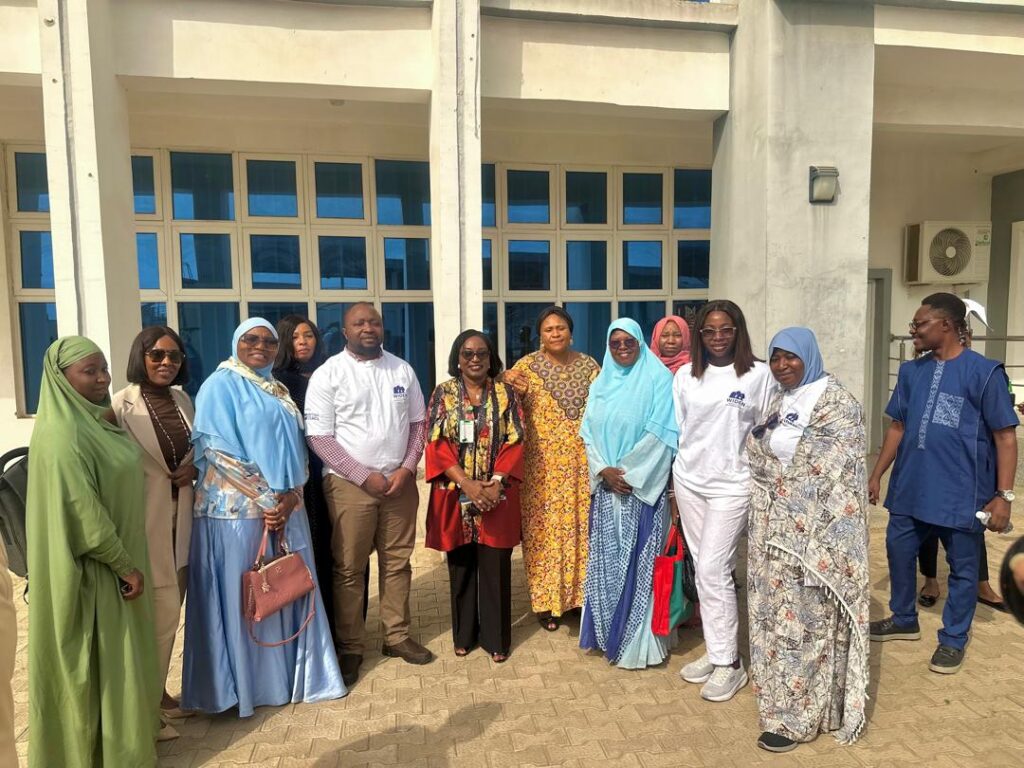
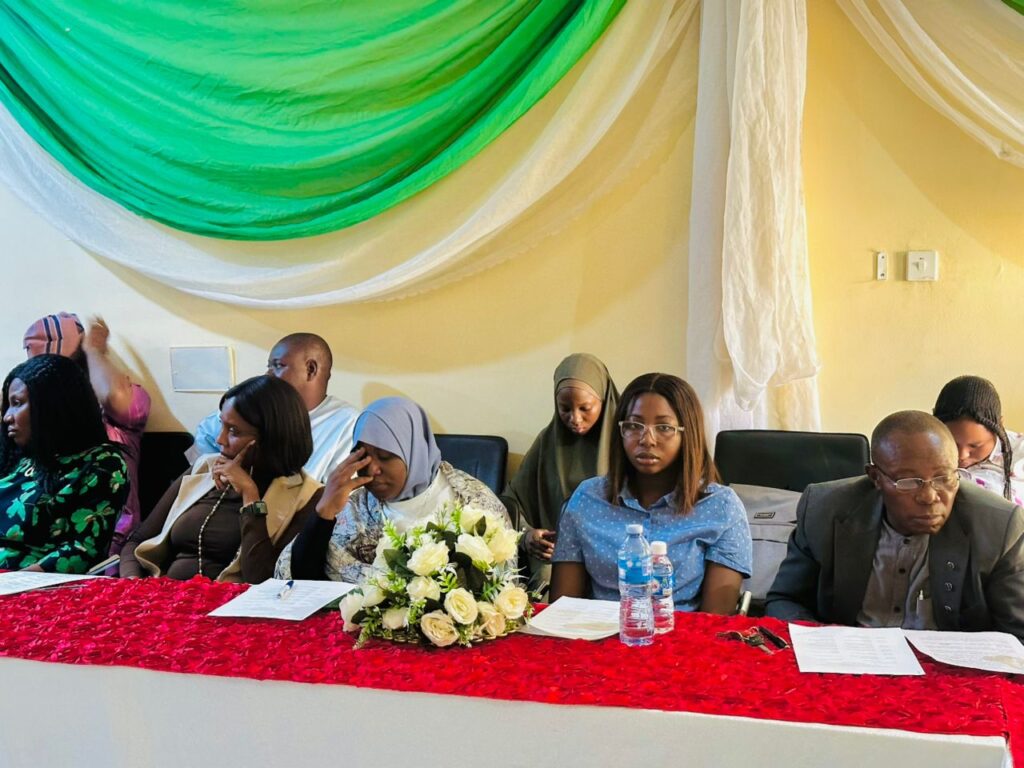
The event brought together representatives from the British Council, the NUC, the Federal Ministry of Education, academia, industry partners, and members of the press.
Stakeholders agreed that the project’s findings provide a roadmap for inclusive digital transformation and warned that failure to scale such initiatives could widen existing gender disparities in Nigeria’s technology ecosystem.
WIDEN is dedicated to empowering women and girls through digital skills and technology. The network focuses on equipping women with the knowledge and tools needed to thrive in today’s digital world. By providing digital literacy training and practical ICT skills, WIDEN helps women understand how to use technology effectively for personal, educational, and professional development.
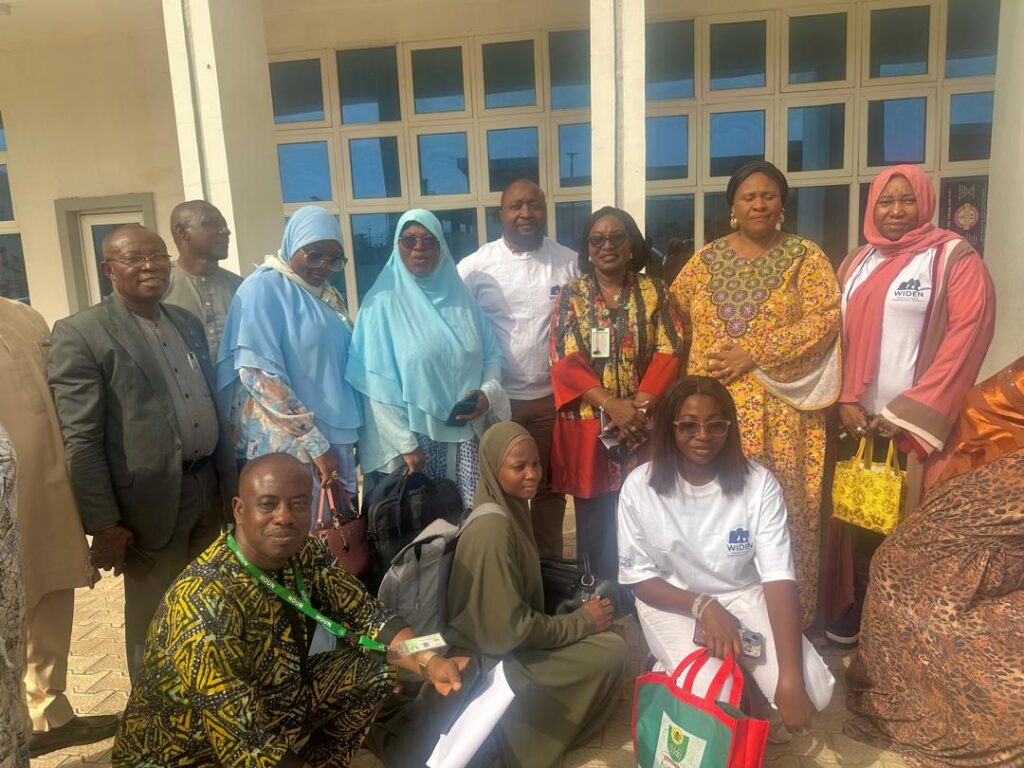
Through its programs, WIDEN supports women entrepreneurs in building and promoting their businesses online, encourages active participation in the digital economy, and promotes innovation and inclusion.
Its main purpose is to build women’s confidence in using technology, create opportunities for starting or growing digital businesses, expand access to online platforms, and ultimately reduce the gender gap in technology.














Leave a comment