

An election is not a war, and political opponents are not enemies. Democracy must provide a platform for competing ideas, exercising constitutional rights and choosing leadership, not an avenue for violence, intimidation or national division. No Nigerian should lose their life, livelihood or dignity because of their political choices.
As part of its commitment to peacebuilding, democratic responsibility and the social development of African peoples, the Movement for Inclusive Development Alliance (MIDA), operating under the Initiative for Conciliation and Rights Protection (ICRP), calls on all Nigerians, irrespective of political affiliation, ethnicity, religious belief or geographical location, to embrace peace, tolerance and responsible political participation as the country approaches the 2027 General Elections.
Nigeria stands at an important moment in its democratic journey. The forthcoming elections present another opportunity for citizens to exercise their constitutional rights, evaluate political leadership and contribute to determining the country’s future.
However, the success of an election should not be measured exclusively by who wins or loses, but also by the credibility of the process, the peaceful conduct of participants, respect for democratic institutions and the willingness of all stakeholders to uphold the rule of law.
As Africa’s most populous nation, Nigeria occupies a significant position in the continent’s democratic development. The conduct of its elections has implications not only for domestic stability but also for confidence in democratic governance across Africa.
MIDA maintains that political competition should strengthen democracy, not threaten national unity. Our collective future must remain greater than individual political ambitions and partisan interests.
- To Political Parties and Electoral Candidates
MIDA urges all registered political parties, their leadership, presidential aspirants, governorship candidates, legislative candidates and other political contestants to demonstrate professionalism, restraint and responsible leadership throughout the electoral process.
Political parties must accept responsibility for the conduct of their members, supporters and campaign structures.
We strongly urge all political parties and candidates to publicly discourage hate speech, inflammatory statements, threats, intimidation, misinformation and every form of political provocation capable of undermining peaceful coexistence.
Political leaders must understand that their words carry consequences beyond campaign platforms. Statements capable of provoking hostility, legitimising violence or deepening existing social divisions must be avoided. Leadership requires the ability to mobilise supporters without mobilising hostility against fellow citizens.
We also urge political parties and candidates to participate in the National Peace Accord process, when convened for the 2027 electoral cycle, and honour its principles and commitments.
Electoral disagreements and grievances must be addressed through lawful channels, including the appropriate electoral institutions and courts, rather than through violence, intimidation or street confrontations.
Political ambition must never become an excuse for placing the lives and security of ordinary Nigerians at risk.
- To the Federal Government and Opposition Parties
MIDA maintains that democratic responsibility is a shared obligation that must apply equally to the government and opposition political parties.
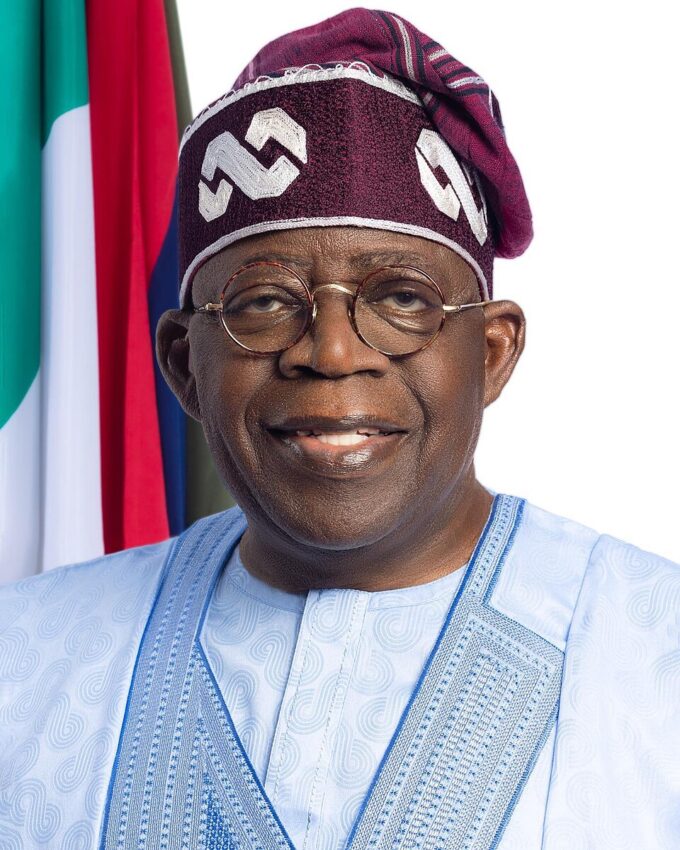
We encourage President Bola Ahmed Tinubu and the Federal Government to sustain efforts towards national unity, economic recovery, security, social stability and inclusive development, while ensuring that governance remains responsive to citizens’ concerns and constitutional obligations.
The administration should continue strengthening democratic institutions, protecting citizens’ constitutional rights, promoting equal political participation and ensuring that security agencies operate professionally and impartially.
We recognise that national development is a continuous process requiring sustained commitment, constructive engagement and responsiveness to the needs of citizens.
We therefore encourage the President to maintain the momentum of policies and initiatives that improve the welfare of Nigerians, expand economic opportunities and strengthen national cohesion.
Similarly, opposition political parties must recognise their responsibility to contribute constructively to democratic governance. Criticism of government policies is legitimate and necessary, but it should be based on facts, responsible engagement and respect for national institutions.
The government must recognise constructive criticism as an essential component of democratic accountability, just as the opposition must recognise its responsibility to offer credible alternatives and engage responsibly with national issues.
Neither the government nor the opposition should treat political disagreement as hostility against the Nigerian state.
Our democracy must accommodate different opinions without sacrificing national stability.
- To INEC and Security Agencies
The Independent National Electoral Commission (INEC) has a critical responsibility in ensuring that the electoral process is transparent, credible, inclusive and consistent with the Constitution and applicable electoral laws.
MIDA urges the Commission to discharge its responsibilities independently, professionally and transparently, while providing timely information to political parties, electoral observers and the Nigerian electorate.
Beyond maintaining electoral security, the credibility of the democratic process depends on transparency, accountability, equal treatment of political contestants and public confidence in electoral outcomes. INEC must therefore remain committed to conducting elections in accordance with the law, while ensuring that legitimate complaints are addressed through established procedures.
We also urge security agencies to maintain the highest standards of professionalism, impartiality and constitutional responsibility.
Their responsibility must be to protect every Nigerian, regardless of political affiliation, religious belief, ethnicity or social status.
Security institutions must not become instruments of political intimidation or partisan interests.
The protection of voters, electoral officials, candidates, observers and electoral materials must remain a priority before, during and after the elections.
Public confidence in democratic institutions can only be sustained when citizens believe that the law applies equally to everyone.
- To Traditional Rulers, Religious Leaders and Community Institutions
Nigeria’s traditional institutions, religious organisations and community leadership structures remain important stakeholders in the preservation of peace and social cohesion.
MIDA calls on traditional rulers, emirs, chiefs, imams, pastors and other respected community leaders to use their influence to promote tolerance, reconciliation and peaceful political participation.
Religious and traditional platforms should remain places of unity, mutual understanding and responsible citizenship rather than instruments of political division.
We also encourage civil society organisations, professional associations, educational institutions and the media to promote civic education, accurate information and responsible public discourse.
The media must remain committed to professional reporting, verification of information and the avoidance of sensational publications capable of unnecessarily inflaming political tensions.
Community leaders must recognise that their influence carries a responsibility to protect social harmony, particularly during periods of heightened political competition.
- To the Young People of Nigeria
Nigeria’s young population represents an important part of its democratic and developmental future.
MIDA places particular emphasis on the responsibility of young Nigerians to reject political violence, intimidation and destruction.
Your future is worth considerably more than temporary political inducements.
Young Nigerians must recognise that their political future extends far beyond any single election cycle. Political leaders may change, but the consequences of violence, destroyed relationships and weakened institutions can remain for generations.
Do not exchange your future for temporary political rewards.
Participate in the democratic process, ask difficult questions, evaluate political manifestoes, demand accountability and defend your constitutional rights.
However, never allow political disagreements to turn you against your neighbours, friends, communities or fellow citizens.
You have the right to support any political party or candidate of your choice, just as others have the right to make different choices.
Political differences should never destroy the relationships that hold our communities together.
Nigeria needs young people who are politically conscious, intellectually engaged, economically productive and committed to building a peaceful and prosperous society.
- Who Pays the Price for Electoral Violence?
The consequences of electoral violence are rarely borne exclusively by the politicians involved in political competition. More often, the greatest burden falls on ordinary citizens.
It is the farmer who loses access to his farmland, the trader whose shop is destroyed, the transport operator whose livelihood is disrupted, the student whose education is interrupted and the family forced to abandon its home because of insecurity.
Electoral violence destroys businesses, discourages investment, weakens community relationships and creates conditions that undermine national development.
The people who suffer most are often those who have the least influence over political decisions.
Behind every act of political violence is a human cost: a disrupted livelihood, a frightened family, an interrupted education or a community struggling to recover from division.
This is why MIDA maintains that no political ambition should ever be placed above the safety, dignity and welfare of ordinary Nigerians.
A country cannot achieve sustainable development where political competition repeatedly threatens the lives and livelihoods of its citizens.
The ballot should determine political leadership, not violence. The strength of our democracy must be measured by the protection it offers to every citizen, including those who support opposing political interests.
- From Words to Action: MIDA’s Commitment to Grassroots Peacebuilding
Beyond issuing this national appeal, the Movement for Inclusive Development Alliance is committed to supporting practical, community-based efforts that promote peaceful elections and responsible democratic participation.
MIDA recognises that sustainable peace cannot be achieved through declarations alone. It requires consistent grassroots engagement, institutional collaboration, community trust and the willingness of stakeholders to address tensions before they escalate into violence.
In furtherance of this commitment, MIDA will pursue the following initiatives in collaboration with relevant community stakeholders and partners:
Community Peace Dialogues: Engage traditional rulers, religious leaders, youth representatives, women and community stakeholders in dialogue aimed at preventing political tensions and promoting peaceful coexistence.
Youth and Women’s Civic Education: Promote awareness of democratic rights, responsible political participation and the dangers of electoral violence, particularly among young people and women at the grassroots.
Peace Accord Advocacy: Encourage political parties, candidates and their supporters to embrace the principles of the National Peace Accord and other lawful peacebuilding initiatives.
Responsible Information Campaigns: Promote awareness against misinformation, disinformation, hate speech and inflammatory political communication, while encouraging citizens to verify information before sharing it.
Community-Based Peace Monitoring: Encourage community stakeholders to identify emerging tensions, promote early dialogue and report credible threats or incidents of violence to the appropriate authorities.
Institutional Collaboration: Work with relevant electoral institutions, security agencies, civil society organisations and community structures to support peaceful electoral participation and the protection of citizens’ rights.
MIDA believes that peacebuilding must extend beyond public declarations. It must be reflected in practical engagement, community participation, institutional cooperation and sustained commitment to the welfare of the people.
Our commitment is to contribute to an environment in which political participation is safe, citizens’ rights are respected and disagreements are resolved through dialogue and lawful democratic processes.
- A Collective Responsibility for the Nigeria We Want
The responsibility for peaceful elections does not rest exclusively with politicians, government institutions or security agencies. It belongs to every Nigerian.
A peaceful election begins with the individual who refuses to spread an unverified rumour, the young person who rejects political violence, the religious leader who preaches tolerance, the traditional ruler who promotes reconciliation and the political leader who restrains supporters from attacking opponents.
It also begins with citizens who understand that political opponents are not enemies and that disagreement does not eliminate our shared humanity.
We may support different political parties, candidates and ideologies, but we share one country and one common destiny.
No political victory is worth the destruction of our communities. No political disagreement should cost a Nigerian his or her life. No ambition should be greater than the collective interest of the nation.
MIDA therefore calls on all Nigerians to place the national interest above partisan considerations, participate peacefully in the democratic process and remain committed to the rule of law.
Our differences should enrich our democracy, not destroy our national identity.
Political power is temporary, but the country we build and the relationships we preserve must outlive every election.
Conclusion: Nigeria Must Come First
The Movement for Inclusive Development Alliance believes that the future of Nigeria must be built on peace, responsible leadership, democratic accountability, social inclusion and sustainable development.
Our collective responsibility is to build a country where political differences are accommodated, institutions are respected, citizens participate without fear and every community has an opportunity to contribute meaningfully to national progress.
We call on President Bola Ahmed Tinubu, the Federal Government, opposition parties, political aspirants, traditional rulers, religious institutions, security agencies, civil society organisations and ordinary Nigerians to embrace the responsibility of protecting our democracy.
Let us compete with ideas, not violence.
Let us disagree without destroying relationships.
Let us pursue political ambitions without sacrificing national unity.
Let us demand accountability without promoting instability.
Let us build a political culture in which the welfare of ordinary Nigerians remains the central purpose of democratic governance.
Nigeria is bigger than any political party, any individual ambition or any electoral contest.
No victory is worth a Nigerian life.
The future of our country belongs to all of us, and protecting it is a responsibility we must collectively embrace.
Nigeria Above Politics.
Peace Above Provocation.
Unity Above Division.
Democracy Above Violence.
Development for All.
Official Statement and Authorisation
Issued By:
Ahmad Shuaibu Isa
National Chairman
Movement for Inclusive Development Alliance (MIDA)
Under the Initiative for Conciliation and Rights Protection (ICRP).
Issued on behalf of the Movement for Inclusive Development Alliance (MIDA).
Media and Public Communication:
Office of the Public Relations Officer, MIDA.
For Peace, Inclusion, Democratic Responsibility and Sustainable National Development.
Email: midaggconcepticrp@gmail.com
Telephone: 07010111678








Leave a comment