

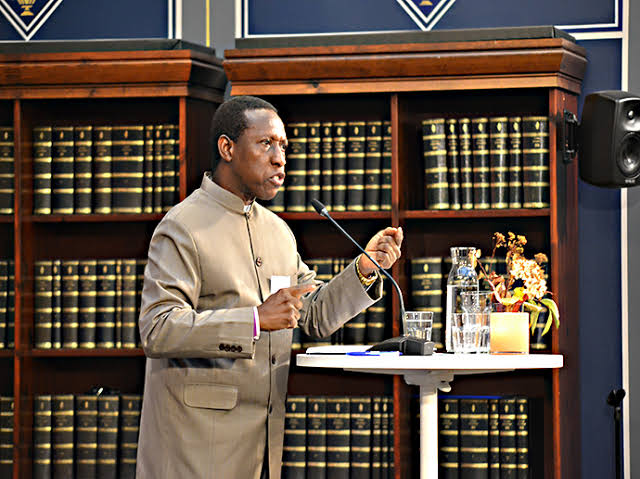
By Prof. Muhammed Tawfiq Ladan, PhD
Executive Summary
This consolidated statutory brief integrates all previous frameworks regarding legal mandates, financial tracking, judicial trends, and digital asset oversight within Nigeria’s electoral environment. It systematically embeds the Electoral Act, 2026 (which formally repealed and replaced the 2022 Act), the Investments and Securities Act (ISA) 2025, and the latest August 2026 SEC Rules on Virtual Assets. [1, 2]
Crucially, this updated text outlines the contemporary liability regime and compliance monitoring responsibilities, mapping out exactly how administrative, civil, and strict criminal liabilities apply to political parties, individual candidates, corporate donors, and financial platforms.
- Key Statutory Provisions & The 2026 Electoral Act Framework
The statutory boundaries for political financing are governed by the Electoral Act, 2026, which introduced substantial upward revisions to campaign spending caps to account for inflationary realities while tightening reporting rules: [1, 2]
Updated Expenditure & Contribution Thresholds (Sections 89, 91 & 92)
Presidential Campaigns: Capped at ₦10 billion (up from ₦5 billion under the 2022 Act).
Gubernatorial Campaigns: Capped at ₦3 billion (up from ₦1 billion).
Senatorial Campaigns: Capped at ₦500 million.
House of Representatives Campaigns: Capped at ₦250 million.
State House of Assembly & Local Government Chairmanship: Capped at ₦100 million.
Maximum Individual/Organizational Donation Cap: Raised tenfold from ₦50 million to ₦500 million per candidate.
Recording Requirements: Any donation exceeding ₦100 million must be explicitly recorded with the donor’s full, verified name and address. Anonymous donations remain strictly illegal. [1, 2, 3]
Corporate Disqualification (CAMA 2020)
Section 43(2) of the Companies and Allied Matters Act (CAMA), 2020 works alongside the Electoral Act, strictly prohibiting registered corporations from offering funds, property, or material benefits directly or indirectly to any political association, party, or candidate campaign team.
- The Liability Regime: Executive, Candidate, and Platform Exposure
The Electoral Act, 2026 and related financial regulations shift enforcement from institutional fines to individual criminal, civil, and administrative liabilities.
Political Party Executives & Corporate Bodies
Strict Auditing Timelines: Under Sections 91 and 92, political parties must publish a fully audited account of all election-related expenses within six months following the election in at least two national newspapers and via verified online platforms. [1]
Executive Liability: Party chairmen, treasurers, and executive committee members face direct criminal liability. If a party submits false financial statements or conceals foreign assets, the executives are liable to fines up to ₦10 million or imprisonment, or both.
Individual Candidates
Personal Criminal Culpability: Candidates can no longer claim ignorance of the actions of their campaign teams. Under Section 92, a candidate who knowingly exceeds statutory campaign ceilings or accepts an anonymous or corporate donation exceeding the legal limit commits a financial offense.
Penalties: Penalties include a direct fine of 1% of the statutory limit of the office sought, up to 12 months imprisonment, or both.
Digital Platforms and Virtual Asset Service Providers (VASPs)
Intermediary Liability: Under the August 2026 SEC Rules, registered digital asset platforms, exchanges, and peer-to-peer (P2P) desks face severe administrative sanctions if they facilitate unmonitored political fundraising.
Sanctions for Shielded Ad Funding: Platforms that host anonymous or unverified political campaign crowdfunding advertisements are held strictly liable. Sanctions include the immediate revocation of their SEC operating license, heavy corporate fines, and the potential prosecution of their compliance officers as accessories to election finance infractions. [1]
- Compliance Monitoring Responsibilities
Enforcement relies on sharing tracking tasks across independent regulatory and security frameworks:
The Independent National Electoral Commission (INEC)
Primary Oversight Mandate: INEC holds the constitutional and statutory power to monitor party congresses, audit bank balances, and examine overall political spending.
The Campaign Finance Monitoring Unit: This specialized desk within INEC is legally empowered to deploy field auditors to inspect campaign registers, track spending logs during the 150-day campaign window, and cross-reference disclosure forms filed by political parties. [1, 2, 3]
The Anti-Corruption Network (EFCC, ICPC, and NFIU)
Real-Time Transaction Tracking: While INEC reviews financial statements retroactively, the Nigerian Financial Intelligence Unit (NFIU) conducts real-time compliance monitoring by tracking bank transactions for suspicious cash surges linked to politically exposed persons (PEPs).
Field Enforcement & Vote-Buying Sweeps: The EFCC and ICPC deploy field compliance teams to party primaries, rallies, and polling units. They look for cash distribution networks, pre-loaded ATM cards, or material bribery intended to influence voters. [1]
Security Agencies (NPF, DSS, NSCDC, and ICCES)
Physical Monitoring & Public Order: Managed under the Inter-Agency Consultative Committee on Election Security (ICCES), the Nigeria Police Force provides physical security for compliance teams, protects whistleblowers, and arrests political thugs who disrupt field monitoring operations.
Citizen-Led Monitoring & Legal Standing
Public Right of Action: The Electoral Act, 2026 grants ordinary citizens the right to demand access to copies of a candidate’s audited campaign finance statement filed with INEC. If overspending or illegal corporate funding is found, citizens can submit formal complaints directly to law enforcement, establishing a decentralized tracking mechanism. [1]
- Digital Asset Evolution & Foreign Funding Vulnerabilities
As banking controls tighten, political campaigns rely heavily on digital and cross-border channels, exposing gaps between old statutory definitions and modern financial technologies.
The Foreign Funding Restrictions
The Foreign Funds Restriction (Section 89): The Electoral Act, 2026 reinforces the constitutional ban under Section 225(3) of the 1999 Constitution, strictly prohibiting political parties from holding, retaining, or using funds or assets remitted from outside Nigeria. Any foreign remittance received by a party must be surrendered directly to INEC within 21 days. Violations carry a minimum statutory fine of ₦5,000,000 alongside the complete forfeiture of the assets.
The Candidate Loophole: Because appellate courts draw a sharp line between a political party and an individual candidate, diaspora crowdfunding campaigns routed into a candidate’s personal campaign team accounts escape automatic constitutional forfeiture. While legally capped by the individual limit of ₦500 million, tracking these transactions requires deep coordination between the NFIU and bank compliance units. [1, 2]
The Crypto Regulatory Landscape (ISA 2025 & The 2026 Executive Order)
Statutory Classification (ISA 2025): The Investments and Securities Act (ISA) 2025 explicitly expands the definition of “securities” to include virtual assets, cryptocurrencies, and digital investment contracts, placing digital assets directly under the purview of the Securities and Exchange Commission (SEC) Nigeria.
Virtual Assets Coordination Executive Order (2026): This executive order established the Virtual Asset Council—chaired by the Central Bank of Nigeria (CBN) alongside the SEC, NFIU, and the Office of the National Security Advisor (ONSA). The centralized Virtual Asset Office inside the CBN allows regulators to track unmonitored campaign crowdfunding campaigns.
The August 2026 SEC Rules: The SEC’s definitive rules introduced a state-controlled National Digital Assets Confiscation Wallet, enabling the EFCC and NFIU to freeze cryptocurrency assets flagged for illegal electioneering. The rules also strictly ban anonymity-enhanced virtual assets (privacy coins) and hold digital platforms liable for hosting unapproved political fundraising advertisements.
P2P Layering Realities: Despite these rules, decentralized peer-to-peer (P2P) transfers allow local actors to acquire stablecoins (such as USDT) using cash and transfer them directly into private wallets, evading automated commercial banking triggers.
- Appellate Case Law Trends
Nigerian appellate courts require high standards of proof and strict adherence to timelines for election petitions involving financial crimes.
Evidentiary Rigour in Vote-Buying Allegations
In Adebutu v. Abiodun (Court of Appeal, 2023), the petitioner alleged widespread vote-buying via pre-loaded bank ATM cards distributed on election day. The Court of Appeal upheld the election tribunal’s strike-out of these allegations, ruling that:
Criminal allegations within election petitions must be pleaded with extreme specificity at the earliest opportunity.
Vague or delayed assertions of financial inducement introduced via later replies violate the strict timelines in Paragraph 16(1) of the First Schedule to the Electoral Act.
Parallel Criminal Prosecutions
The courts separate civil election petitions from criminal accountability. In Federal Republic of Nigeria v. Adebutu & Ors (2024), the state pursued criminal charges for financial inducements independently of the election tribunal outcomes. This confirms that security and anti-graft agencies can prosecute campaign finance crimes in regular courts even if the election results themselves are upheld due to strict tribunal thresholds.
- Structural and Operational Challenges
Pervasive Cash Economy: Despite digital banking options, rural campaigns rely heavily on physical currency. This cash-based operation circumvents banking networks, rendering real-time tracking by the NFIU difficult.
The Burden of Criminal Proof: To nullify an election based on financial malpractice, a petitioner must prove “beyond a reasonable doubt” that the candidate committed the violation and that it directly impacted the outcome—a difficult standard to meet within tight tribunal deadlines.
Inter-Agency Friction: ICCES serves as a coordinating body, but a lack of automated data sharing between police databases, the Corporate Affairs Commission (CAC), and anti-graft agencies slows down investigations.
Political Interference: Investigative agencies often face pressure from ruling elites, feeding public skepticism that enforcement targeting campaign spending is selectively applied against opposition figures. - Strategic Recommendations
For the Independent National Electoral Commission (INEC)
Integrate with the Virtual Asset Office: Formally embed an auxiliary tracking desk within the CBN-hosted Virtual Asset Office to cross-reference candidate asset disclosures with real-time wallet tracing data.
Deploy Digital Disclosure Portals: Mandate a secure digital portal where political parties must upload weekly donation logs and expenditure records during the statutory 150-day campaign window. [1, 2]
For Anti-Corruption Agencies (EFCC, ICPC, NFIU)
Utilize the National Confiscation Wallet: Proactively apply for asset forfeiture orders under the ISA 2025 and the August 2026 SEC Rules to instantly seize cryptocurrency assets flagged for illegal electioneering before they are converted into physical cash.
Enforce Corporate Gifting Prohibitions: Conduct audits of corporate compliance with Section 43(2) of CAMA, prosecuting directors who disguise political donations as corporate social responsibility (CSR) initiatives.
For Security Agencies (NPF, DSS, NSCDC)
Standardize Digital Evidence Gathering: Train field personnel on how to secure digital evidence, photograph financial logs, and trace card distributions during enforcement operations so that evidence meets appellate standards.
For the Judiciary
Support Specialized Electoral Offenses Tribunals: Advocate for specialized courts to handle campaign financing and vote-buying offenses, ensuring fast-track prosecutions that conclude before affected officials take office.
- Conclusion
Nigeria’s legal framework provides a strong foundation for managing campaign financing and protecting elections. With the enactment of the Electoral Act, 2026, the ISA 2025, and the Presidential Executive Order on Virtual Assets Coordination 2026, the old excuses of regulatory gaps regarding digital currencies and modified spending limits are no longer valid. Accountability now depends on whether enforcement agencies can turn financial intelligence into legally sound evidence that satisfies the high standards of appellate courts. [1, 2]
Endnotes & References
Statutory Limits & Guidelines: Electoral Act, 2026 (repealing Act No. 13, 2022), Federal Republic of Nigeria Official Gazette, Sections 89, 91, 92.
Corporate Prohibitions: Companies and Allied Matters Act (CAMA) 2020, Section 43(2).
Constitutional Restrictions on Foreign Wealth: Constitution of the Federal Republic of Nigeria 1999, Section 225(3)(a)-(b) (as altered).
Pleadings Jurisprudence: Ladi Adebutu & Anor v. Dapo Abiodun & Ors (Appeal No: CA/IB/EP/GOV/OG/03/2023).
Parallel Criminal Prosecution: Federal Republic of Nigeria v. Adebutu & Ors (Suit No: AB/10c/2023), High Court of Ogun State.
Regulatory Harmonization Framework: Presidential Executive Order on Virtual Assets Coordination, 2026; Investments and Securities Act (ISA) 2025.
Digital Asset Implementation: SEC Rules on Digital and Virtual Asset Operations, Custody, and Markets (August 2026). [1, 2, 3]















Leave a comment