

By Abubakar Basiru
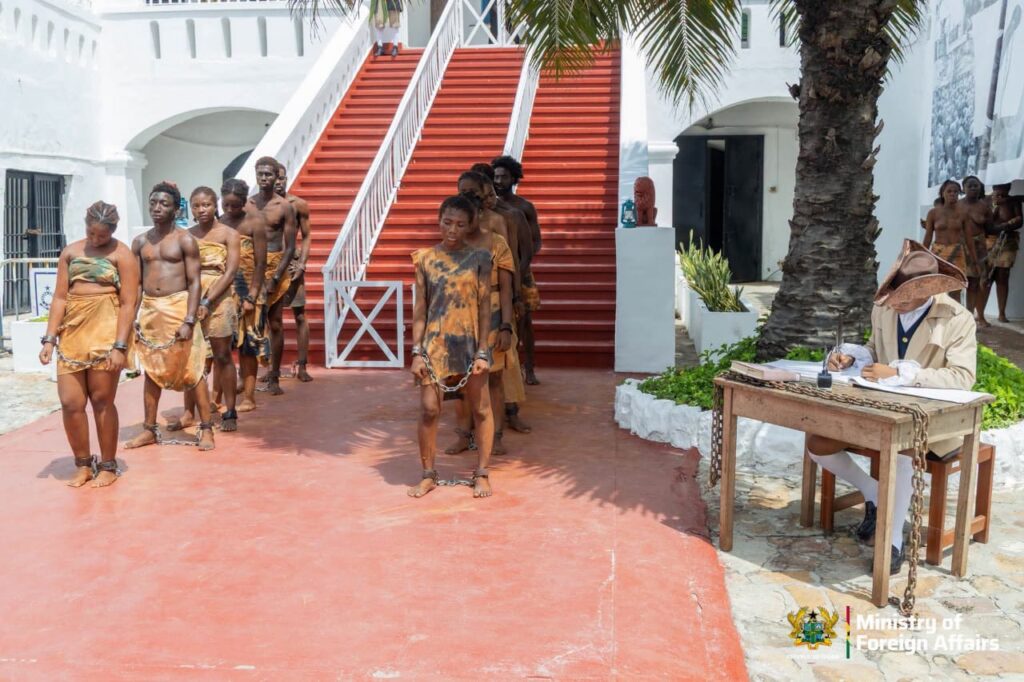
As the sun cast its golden light over the centuries-old walls of Osu Castle in Accra, silence settled over the crowd. The sea that once carried countless enslaved Africans away from their homeland whispered against the shore, and for a moment, history seemed to return.
Then the performers emerged.
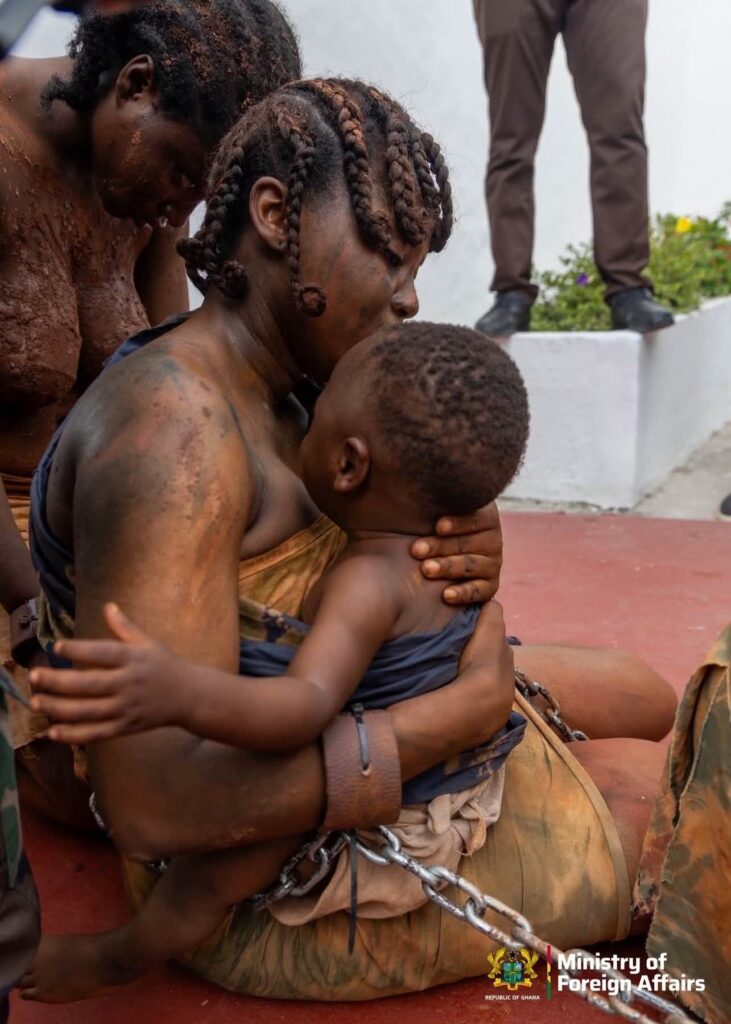
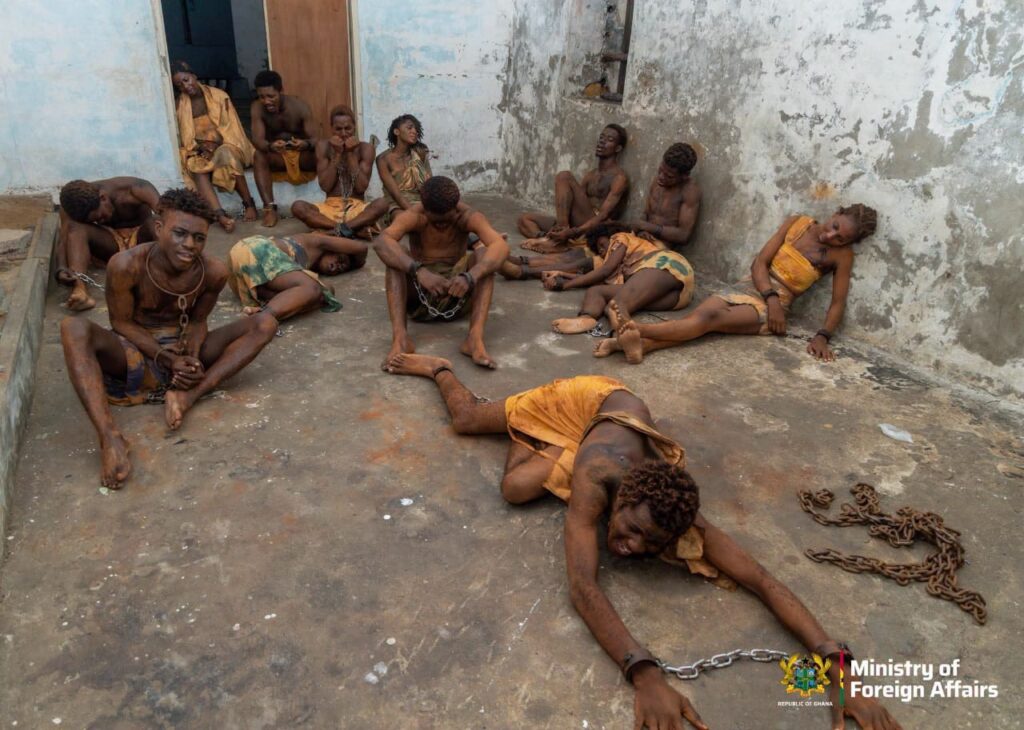
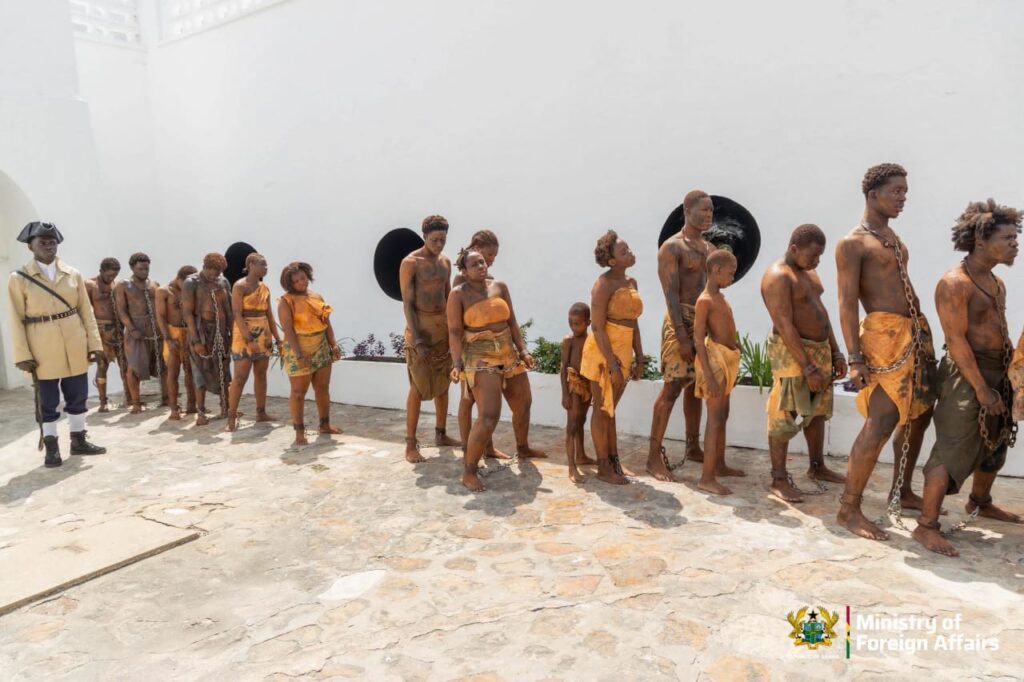
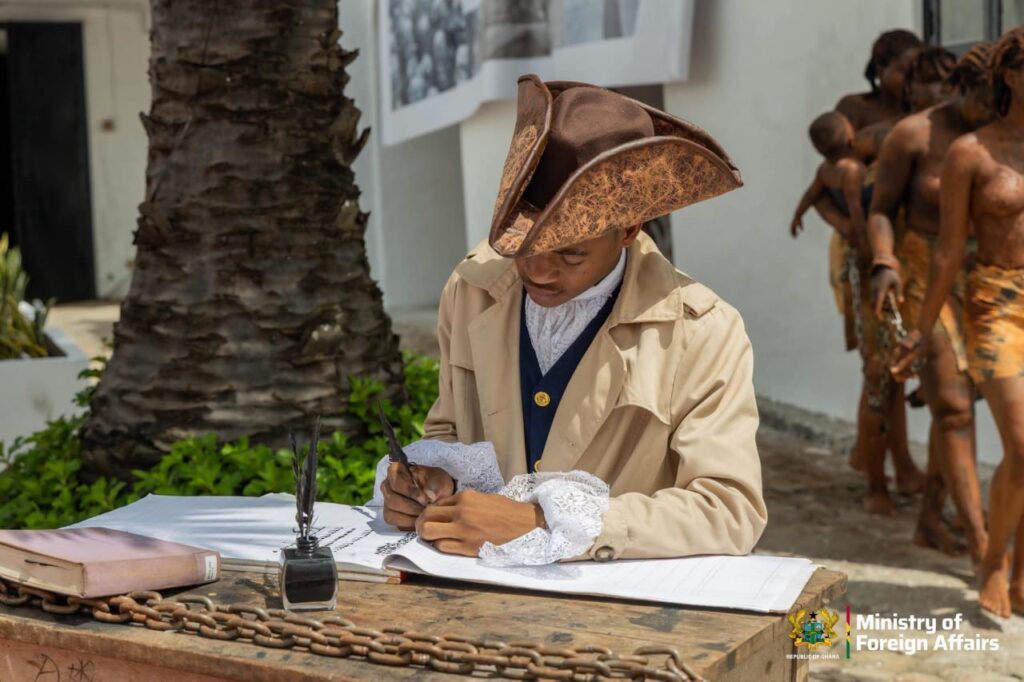
With chains clanking, mournful songs filling the air, and bodies moving in synchronized anguish and resilience, the University of Ghana’s School of Performing Arts transformed one of Africa’s most painful historical sites into a living classroom. The reenactment of the transatlantic enslavement was more than a theatrical production—it was an emotional journey that invited audiences to remember, reflect, and reclaim a shared history.
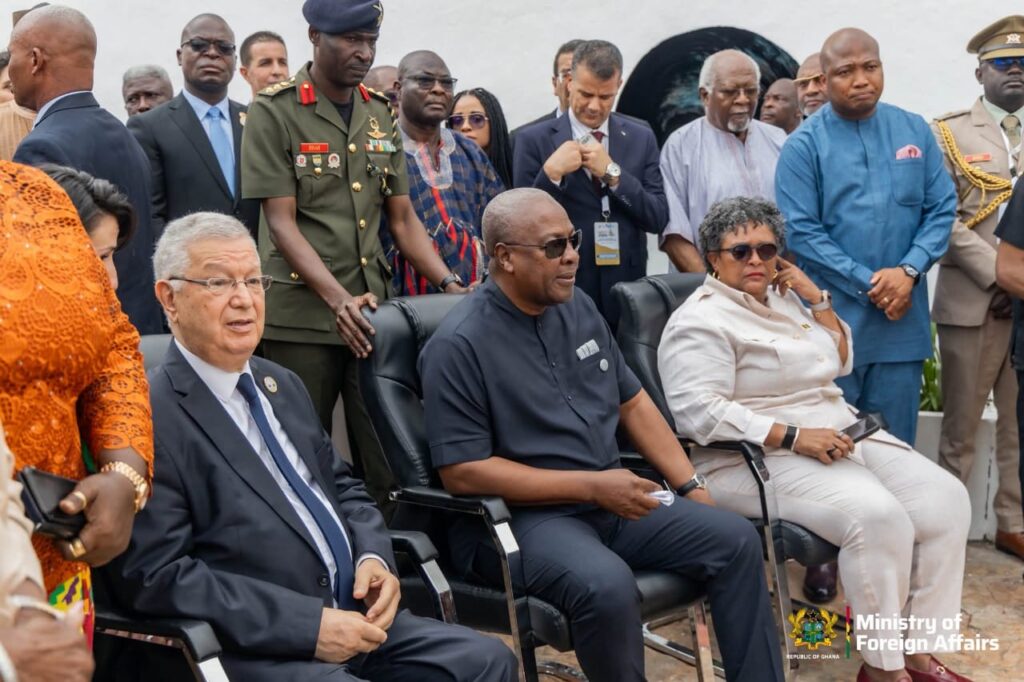
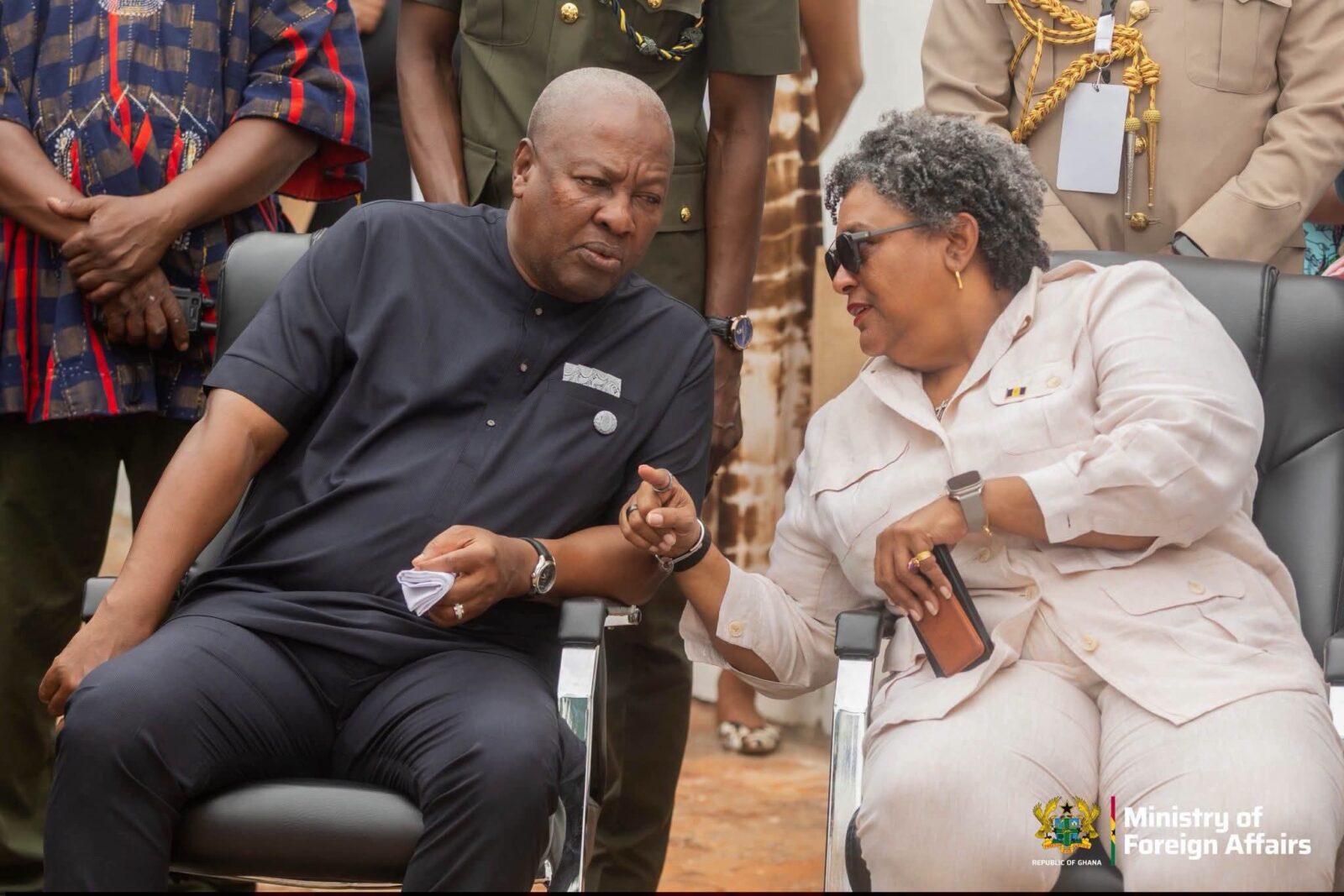
The performance formed a centerpiece of the Next Steps Juneteenth commemoration at Osu Castle, a landmark event that brought together African leaders, members of the Caribbean community, scholars, activists, and descendants of the African diaspora. In a place where millions once began a forced voyage into slavery, art became a powerful language of remembrance and resistance.

The actors needed few words. Every movement, every expression, and every drumbeat conveyed the pain of separation, the brutality of captivity, and the enduring spirit of a people who refused to lose their humanity. Spectators watched in silence, many visibly moved by scenes that connected past injustice with present conversations about identity, justice, and reparatory action.
The production quickly attracted widespread praise. Ghana’s Foreign Affairs Minister, Samuel Okudzeto Ablakwa, publicly congratulated the School of Performing Arts, describing the reenactment as “masterful” and noting that the performance was already attracting international attention. His remarks reflected the growing recognition that African storytelling, when rooted in authenticity and history, possesses the power to resonate across borders.
Yet the significance of the performance extends beyond applause or accolades.
For decades, books and museums have documented the horrors of the transatlantic slave trade. This production chose a different path: it invited audiences to feel history rather than simply read about it. The stage became a bridge connecting generations, while the performers became custodians of memory, ensuring that the stories of those who passed through the “Door of No Return” are neither forgotten nor reduced to statistics.
The event also highlighted the crucial role of universities in preserving cultural heritage. By blending scholarship with performance, the University of Ghana’s School of Performing Arts demonstrated that academic institutions can shape public discourse, foster historical consciousness, and inspire meaningful conversations about Africa’s past and future.

As global interest in reparatory justice continues to grow, cultural performances like this one remind the world that history is not confined to archives. It lives in music, movement, storytelling, and collective memory.
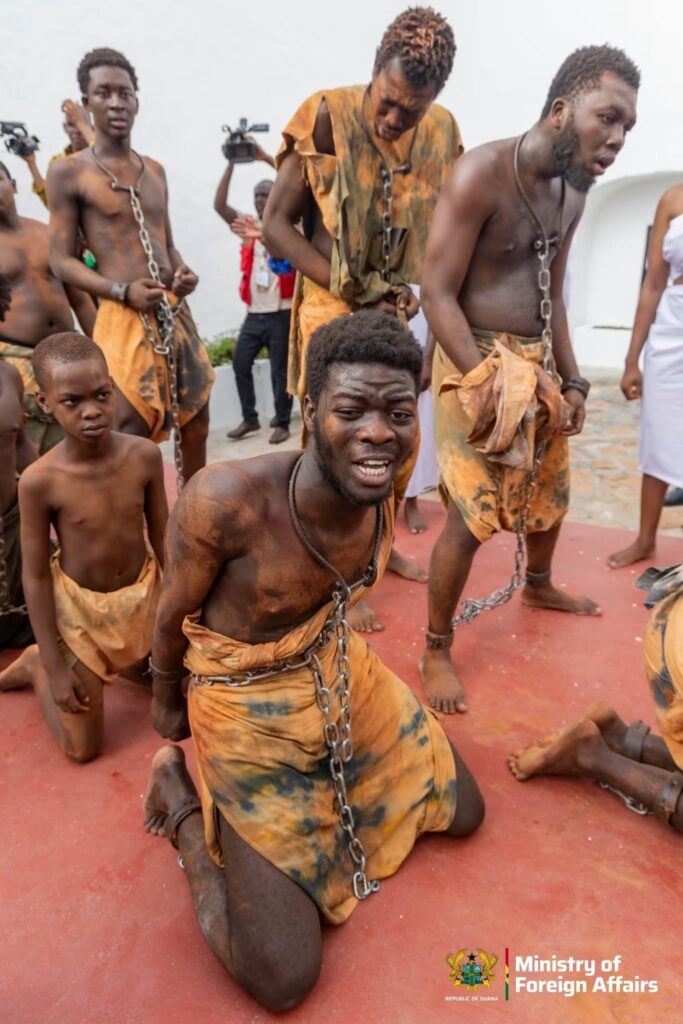
At Osu Castle, the chains were symbolic, the tears were theatrical, and the pain was reenacted. But the message was unmistakably real: remembrance is an act of resistance, and through art, a new generation is ensuring that one of humanity’s darkest chapters will never be forgotten.
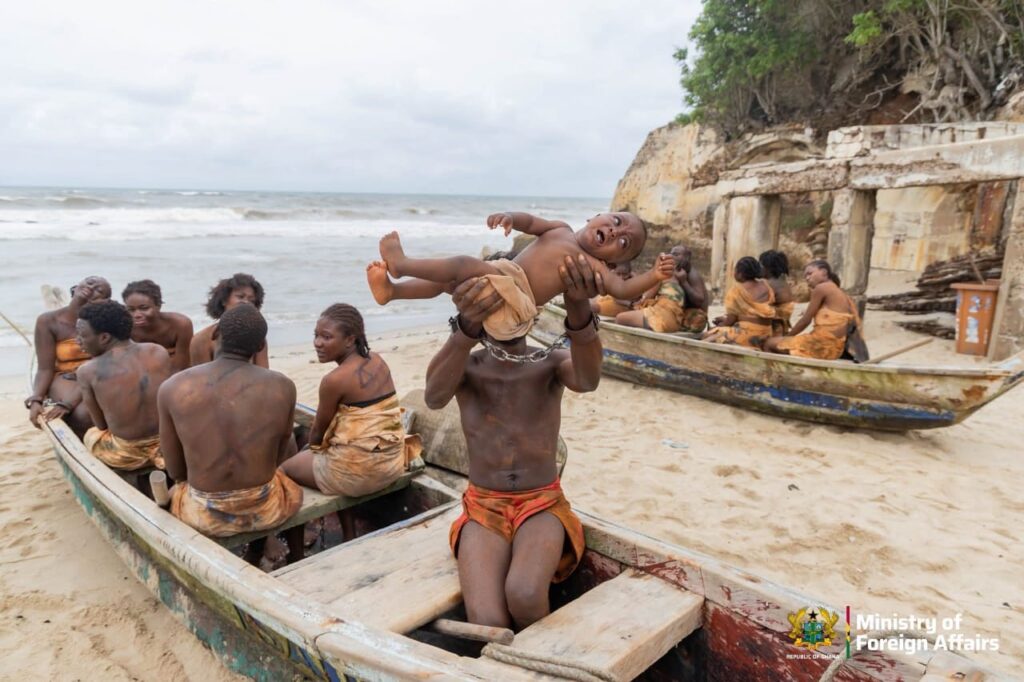
On that historic day, Ghana did more than commemorate Juneteenth. It gave history a voice, and the world listened.













Leave a comment