

By Waziri Isa Adam Gwantu
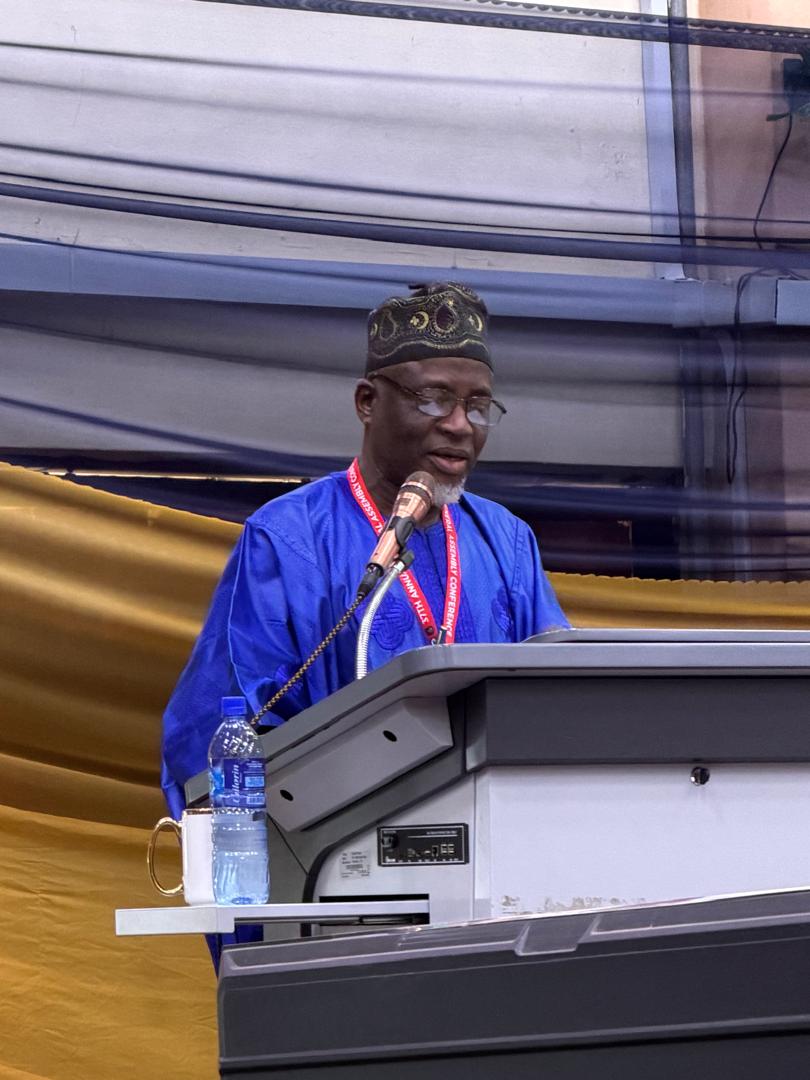
ILORIN – Former JAMB Registrar, Prof. Is-haq O. Oloyede, has said Nigerian universities must urgently redesign assessment and adopt human-centred AI policies, warning that generative artificial intelligence cannot be banned from campuses.
Delivering the keynote at the 37th Annual Conference of the Committee of Vice-Chancellors of Nigerian Universities, CVCNU, in Ilorin on Monday, Oloyede said technological disruption is one of five major pressures facing the university system, alongside demographic shifts, fiscal constraints, environmental stress and a crisis of trust.
Speaking on “Reimagining Nigerian Universities for Resilience: Leadership, Innovation and Sustainability in a Disruptive Era”, he said institutions must move beyond prohibition and focus on building graduate capacity for the digital age.

“AI literacy must become part of graduate competence, but so must the capacity to think without technological dependency,” he said.
Oloyede called on every university to adopt a rights-respecting AI policy that distinguishes assistance from misrepresentation, protects data and supports staff development. He said assessment methods must now test reasoning, application, oral defence and ethical judgement instead of rote memorisation.
“We cannot digitise disorder and call it transformation,” he said, urging universities to align with the CCMAS framework to embed digital competence and respond to regional needs.
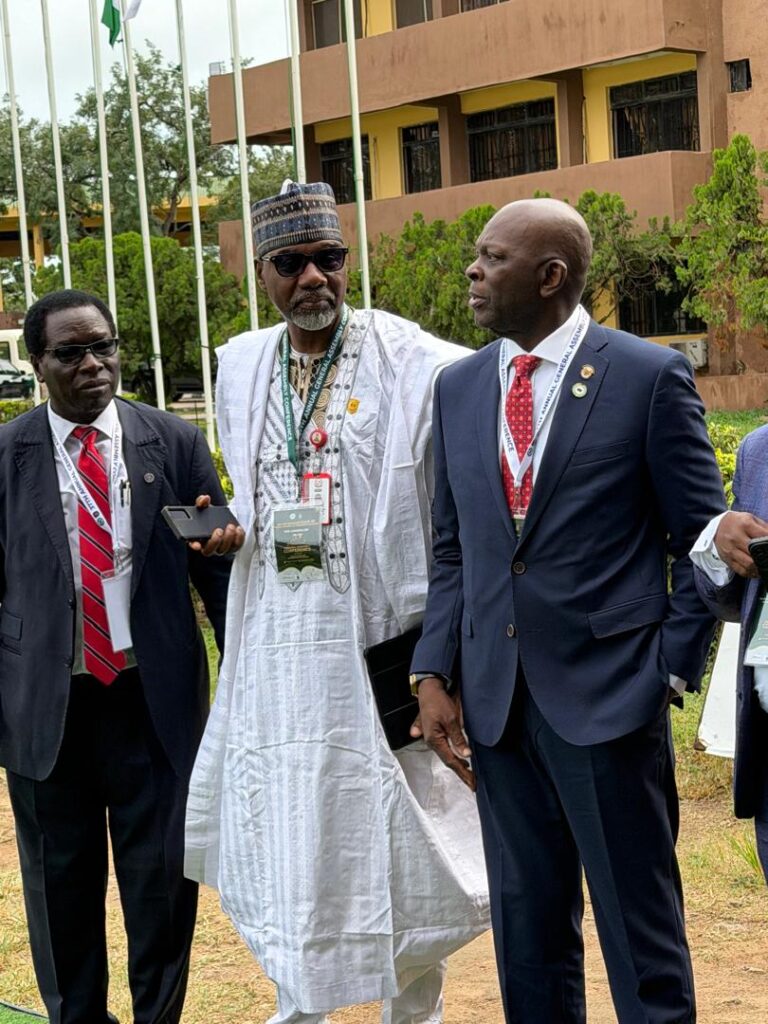
The former Vice-Chancellor of the University of Ilorin said leadership, data and infrastructure must support the AI shift. He called for integrated data systems with dashboards on enrolment, finances, staffing and research.
“Decisions based on anecdotes and incomplete spreadsheets are incompatible with institutional resilience,” he said. He also warned that “A data breach or loss of examination records can damage an institution more rapidly than a physical disaster,” and urged investment in cybersecurity and disaster recovery.
On funding, Oloyede said predictable public investment is critical to building digital infrastructure, laboratories and utilities. He urged the Federal Government to faithfully implement the 2025 renegotiated agreement with ASUU, which he said contains commitments on conditions of service, autonomy, research and dedicated funding.
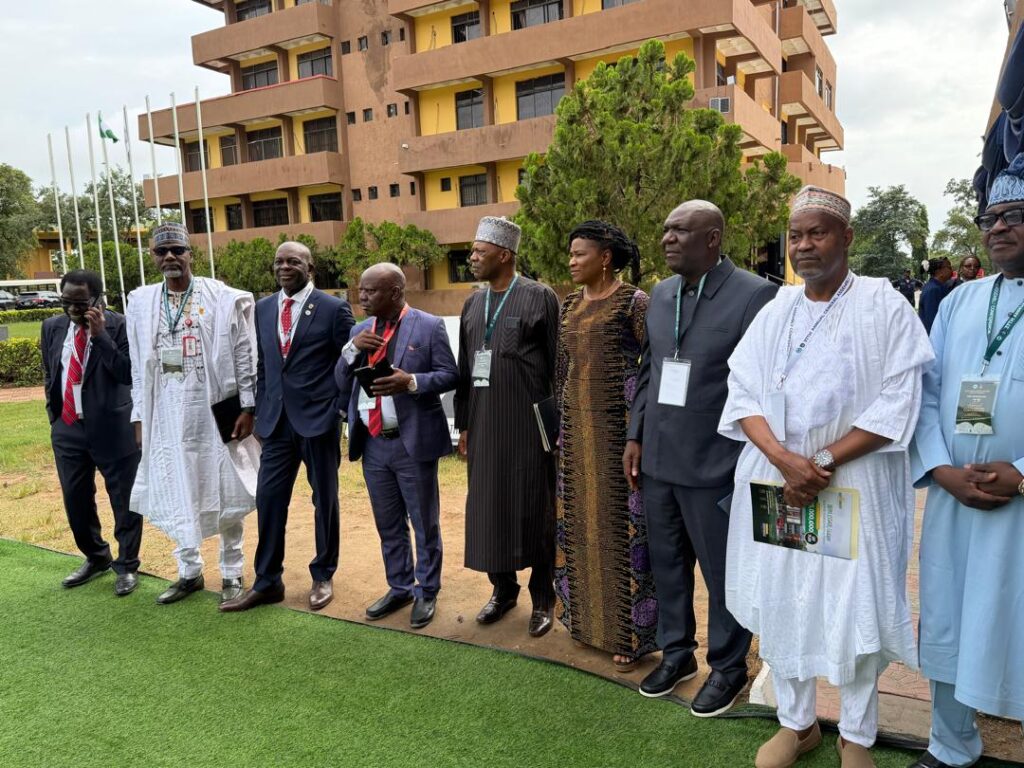
“Government must accept that quality university education requires predictable public investment,” he said. “The 2025 FGN-ASUU agreement… its faithful implementation would strengthen confidence and stability.”
He also backed the proposed National Research Council and said universities must shift research from promotion to solving national problems in areas such as digital inclusion, energy, climate, health and governance.
“Technology transfer offices must help protect IP, negotiate partnerships and create spin-offs,” he said. He cautioned that innovation should not be measured only by patents, noting that a new teaching method or public health intervention “may generate enormous public value even when it produces no patent.”
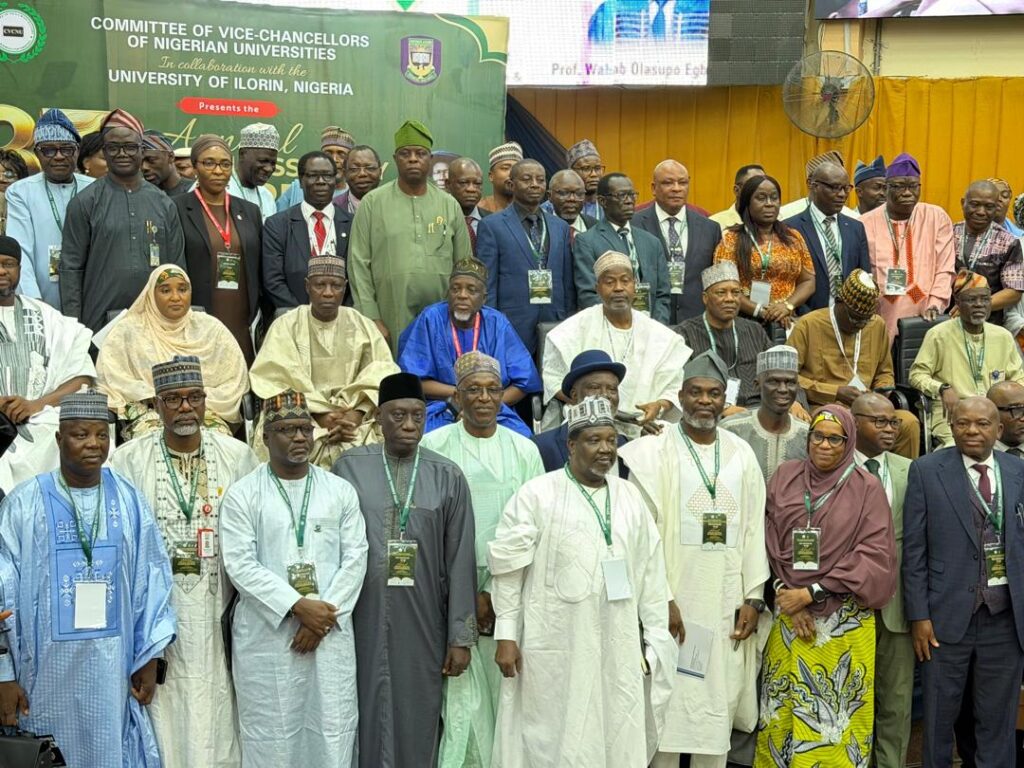
Oloyede said universities must also address human capacity challenges to sustain digital transformation. “Universities cannot be resilient while losing scholars and overloading staff,” he said. He proposed to “convert brain drain to brain gain by engaging diaspora academics to teach, co-supervise and lead joint labs,” and called for mentoring and protected research time for those at home.
He said student and staff well-being must be part of academic quality. “A culture that silences distress is not strong. It is merely unresponsive,” he said.
Citing 2025 JAMB data that 199 universities recorded fewer than 100 candidates, he warned against duplication. “Duplication is not innovation,” he said. “Resilience requires differentiation. Not every university must be everything to everyone.” He called for regional consortia to share laboratories, digital resources and staff.
On sustainability, he said “Diversification must be strategic. A university should not turn every available space into a commercial venture.” He added that “Endowments grow when governance is credible. Financial sustainability is therefore inseparable from integrity.”
He commended President Bola Ahmed Tinubu “for His Excellency’s commitment and attention to NELFUND which he strategically reinvented as a tool for educational equity,” and said “No student should be admitted into a public institution and then silently excluded because essential costs were not honestly disclosed.”
Oloyede concluded by proposing a Nigerian Universities Resilience Compact with measurable commitments and annual reporting through CVCNU. “It is imperative that we take bold decisions and initiatives. It is more imperative that we walk the talk of our commitments,” he said.











Leave a comment